
Sydney’s fire safety laws include more than a simple checklist. The Annual Fire Safety Statement, or AFSS is the foundation of this program. This document not just is compliant with all legal requirements, it also shows the owner’s commitment to security and accountability. Alongside the Fire Safety Certificate, the AFS is the base of an organized system that guarantees the safety of the building’s occupants and reassures insurers. It also gives councils confidence in the structures of their city.
Why is there an Annual Fire Safety Statement
It was never intended to be a single piece of paper to be used for the sake of it. The requirement was created because regardless of how effective a fire protection system is built, it will only function if it’s regularly tested, maintained and certified. A sprinkler set up ten years ago might appear to be fine however, without a thorough inspection there’s no guarantee that it will work in an emergency.
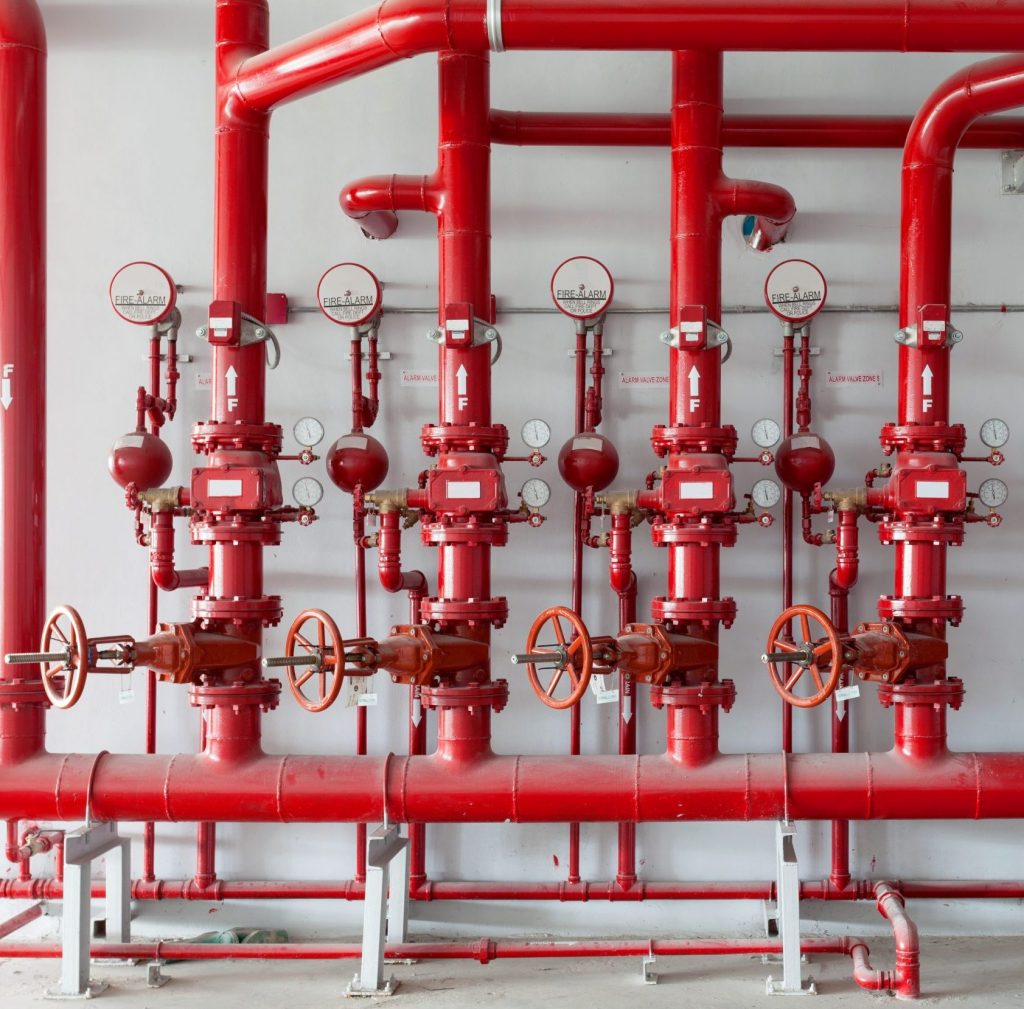
The AFSS stipulates that property owners demonstrate, at least every year, that their fire safety measures, ranging from alarms to hydrants, to lighting at the exit, continue to meet the standards originally set by the Building Code of Australia. This is more than just an inspection. It is a declaration to the public that lives are safeguarded and that the building can be able to stand up to an emergency.
The distinction between AFSS Certificates and Fire Safety Certificates
Owners often make the mistake of confusing owners often confuse the Fire Safety Certificate with the annual statement, but the two certificates serve different purpose. The certificate will be given once the installation has been completed or major modifications are completed. It’s a way of confirming that the new measures have been approved before a building is used or rental. The AFSS however, on the other however, will be issued later. It’s a continuous obligation that shows the same systems are able to meet the requirements each year following installation.
Together, they form an entire cycle of protection. certifications verify that safety systems are installed correctly and annual reports ensure that the systems are in good condition throughout the building’s life. If either of these steps isn’t done then the entire chain of protection will be compromised.
The building owners’ responsibility
One of the distinctive features of the AFSS procedure that is unique to New South Wales is that it imposes ultimate responsibility on the property’s owner. Unlike other forms of compliance, where a problem can be classified as major or minor and major, the AFSS system does not allow the creation of a classification. If one step fails the whole report is unenforceable.
Owners are required to be proactive. To meet deadlines, they must schedule inspections, engage qualified professionals, plan repairs, and submit documents to council. These councils, as well as strata landlords, are also accountable for coordinating with contractors, tenants, insurance companies. While it isn’t easy, this system is designed to ensure that security is not threatened or delayed.
The wider impact of AFSS in Sydney
Beyond the legal requirements beyond legal compliance, the AFSS is more extensive in its implications. When deciding to rent space, tenants usually inquire whether the current safety declaration of the building. Insurers often ask for an affidavit prior to deciding on their insurance coverage. A current Annual Fire Safety Statement may impact the value of a property, tenant trust, and even insurance rates.
The system provides councils with peace of mind that they are regularly surveillance of the thousands of buildings in Sydney. Fire authorities will be able to minimize the risk of fire by making sure that systems are in place during real emergencies. The AFSS isn’t only about protecting buildings. It is also about making the town safer for all of us.
Conclusion: AFSS is a Standard of Trust
The requirement to have an annual Fire Safety Declaration Sydney may seem like a bureaucratic obstacle however, it’s actually an indicator of trust. The statement demonstrates that fire safety isn’t left to the chance. It shows the reliability of the equipment and also that building owners are responsible for the well-being of their inhabitants. If it is paired with the Fire Safety Certificate, it completes a system that verifies both the setting up and continuous performance of the critical safety measures.
For property owners, the lesson is clear: the AFSS is more than an annual deadline. It’s a commitment to community trust as well as accountability and safety. In the fast-growing urban sprawl of Sydney which has thousands of residents relying on safe and compliant buildings, that dedication is what makes the AFSS valuable.